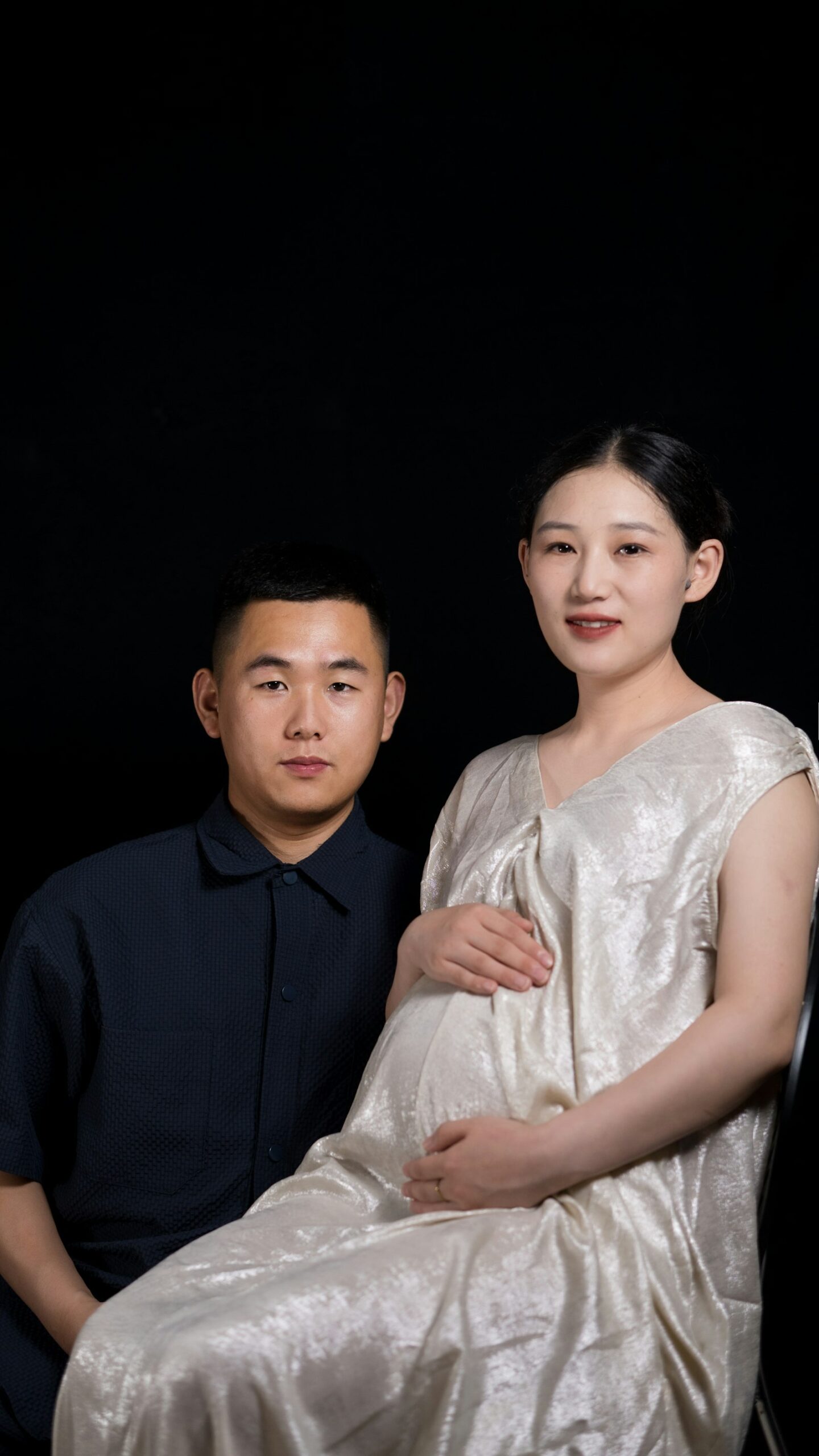
For some couples, pregnancy happens quickly. For many others it takes longer than expected, and that can be stressful. The good news is that Singapore has well-established fertility services, and the government helps with the cost of treatment at public hospitals.
This guide covers how to improve your chances naturally, when to see a doctor, common fertility tests, treatment options such as IUI and IVF, and the co-funding and MediSave support available as of November 2026.
How long does it usually take?
Most couples who have regular unprotected sex conceive within a year. Fertility falls with age, especially for women after their mid-thirties, and the chance of conceiving each month gets lower.
When to see a doctor
- If you are under 35 and have been trying for 12 months
- If you are 35 or older and have been trying for 6 months
- Sooner if you have irregular or no periods, known endometriosis or PCOS, previous pelvic infections or surgery, or if your partner has a known sperm or health issue
You can start with your GP, a polyclinic, your gynae, or directly at a fertility clinic. Both partners should be checked, because male factors contribute to many cases of infertility.
Improving your chances naturally
- Know your fertile window. You are most fertile in the few days before and on the day of ovulation. Ovulation tests and cycle-tracking apps can help, but regular sex every two to three days through the cycle works well too.
- Start folic acid. Take 400 micrograms a day from at least a month before conceiving. See our guide to prenatal vitamins in Singapore.
- Aim for a healthy weight. Being underweight or overweight can affect ovulation and sperm quality.
- Stop smoking and limit alcohol, for both partners.
- Cut down on caffeine.
- Manage stress and sleep. Long work hours are common in Singapore; protect time to rest.
- Review medications with your doctor, including supplements and TCM remedies.
Common fertility tests
For women
- Blood tests for hormones such as AMH (a guide to egg reserve), FSH, thyroid function and prolactin
- A progesterone test in the second half of the cycle to confirm ovulation
- Pelvic ultrasound to check the womb and ovaries, and to look for fibroids, cysts or polycystic ovaries
- A tubal patency test such as HSG or HyCoSy, an X-ray or ultrasound dye test to check the fallopian tubes
For men
- Semen analysis to check sperm count, movement and shape
- Further tests such as hormone blood tests if the result is abnormal
Treatment options
| Treatment | What it involves | Often used for |
|---|---|---|
| Lifestyle changes and timed intercourse | Tracking ovulation and making health changes | Mild issues, unexplained infertility early on |
| Ovulation induction | Tablets or injections to help you ovulate | Irregular or absent ovulation, such as PCOS |
| Intrauterine insemination (IUI) | Washed sperm placed in the womb around ovulation | Mild male factor, unexplained infertility |
| In vitro fertilisation (IVF) | Eggs collected and fertilised in the lab; embryos transferred to the womb | Blocked tubes, low sperm count, endometriosis, older age, failed IUI |
| ICSI | A single sperm injected into each egg during IVF | Significant male factor |
| Surgery | Treating fibroids, polyps, endometriosis or blocked tubes | Specific structural problems |
What an IVF cycle looks like
- Stimulation: about 10 to 14 days of hormone injections to grow several eggs, with blood tests and scans to monitor progress.
- Egg collection: a short procedure under sedation.
- Fertilisation: eggs are mixed with sperm or injected (ICSI) and grown for a few days.
- Embryo transfer: one embryo is placed in the womb. Spare good-quality embryos can be frozen.
- Pregnancy test: about two weeks later.
A “fresh” cycle uses embryos straight away; a “frozen” cycle uses embryos thawed from an earlier cycle.
Government co-funding
MOH co-funds Assisted Conception Procedures at public Assisted Reproduction (AR) centres: KKH, NUH and SGH. As published on MOH’s website:
- Eligible couples can receive up to 75 per cent co-funding for Assisted Reproduction Technology (ART) treatment
- Co-funding covers up to 3 fresh and 3 frozen ART cycles
- For women aged 40 and above, up to 2 of the 6 co-funded cycles can be used, as long as AR or IUI was attempted before 40
- IUI is co-funded up to $1,000 per cycle for 3 cycles
The amount and caps depend on the couple’s citizenship. MOH has previously stated a co-funding cap of $7,700 per fresh cycle and $2,200 per frozen cycle for Singapore Citizen couples. Check the latest figures with your AR centre. Co-funding currently applies only at public AR centres.
MediSave
You can use MediSave for Assisted Conception Procedures at both public and private centres, subject to withdrawal limits per cycle and a lifetime limit of $15,000 per patient. Pre-implantation genetic testing for certain conditions also has its own co-funding and MediSave rules.
What does IVF cost?
Costs vary with medication doses, tests and whether you choose a public or private centre. Ask each clinic for a written estimate of the full cycle cost, including medication, egg collection, lab fees, embryo freezing and storage. Public centres with co-funding are typically much cheaper for eligible couples.
Looking after yourselves
Fertility treatment can be emotionally and physically demanding. It can help to:
- Agree as a couple how many cycles you want to try and your budget
- Tell only the people you want to; you do not owe anyone updates
- Ask your clinic about counselling services
- Talk to your employer about flexible arrangements for frequent appointments
- Join a support group if it helps to talk to others going through the same thing
Frequently asked questions
Do I need a referral to see a fertility specialist?
You can see a private specialist directly. For subsidised care at a public hospital, you usually need a referral from a polyclinic or GP.
Can unmarried couples get IVF in Singapore?
Under Singapore regulations, assisted reproduction is generally available only to married couples. Check with the AR centre for current rules.
Is egg freezing allowed?
Since 2023, women aged 21 to 35 can freeze their eggs for social reasons, but can only use them with a legal spouse. Check with an AR centre for the latest rules.
How successful is IVF?
Success depends heavily on the woman’s age and the cause of infertility. Ask your clinic for its own success rates by age group.
Will I have twins with IVF?
Many clinics now transfer one embryo at a time to lower the risk of twins, which carry higher risks in pregnancy.
For official details, see MOH’s Marriage and Parenthood Schemes. When you do get that positive test, our guides to calculating your due date, morning sickness and choosing a gynaecologist will help.
This article is for general information and is not a substitute for medical advice.