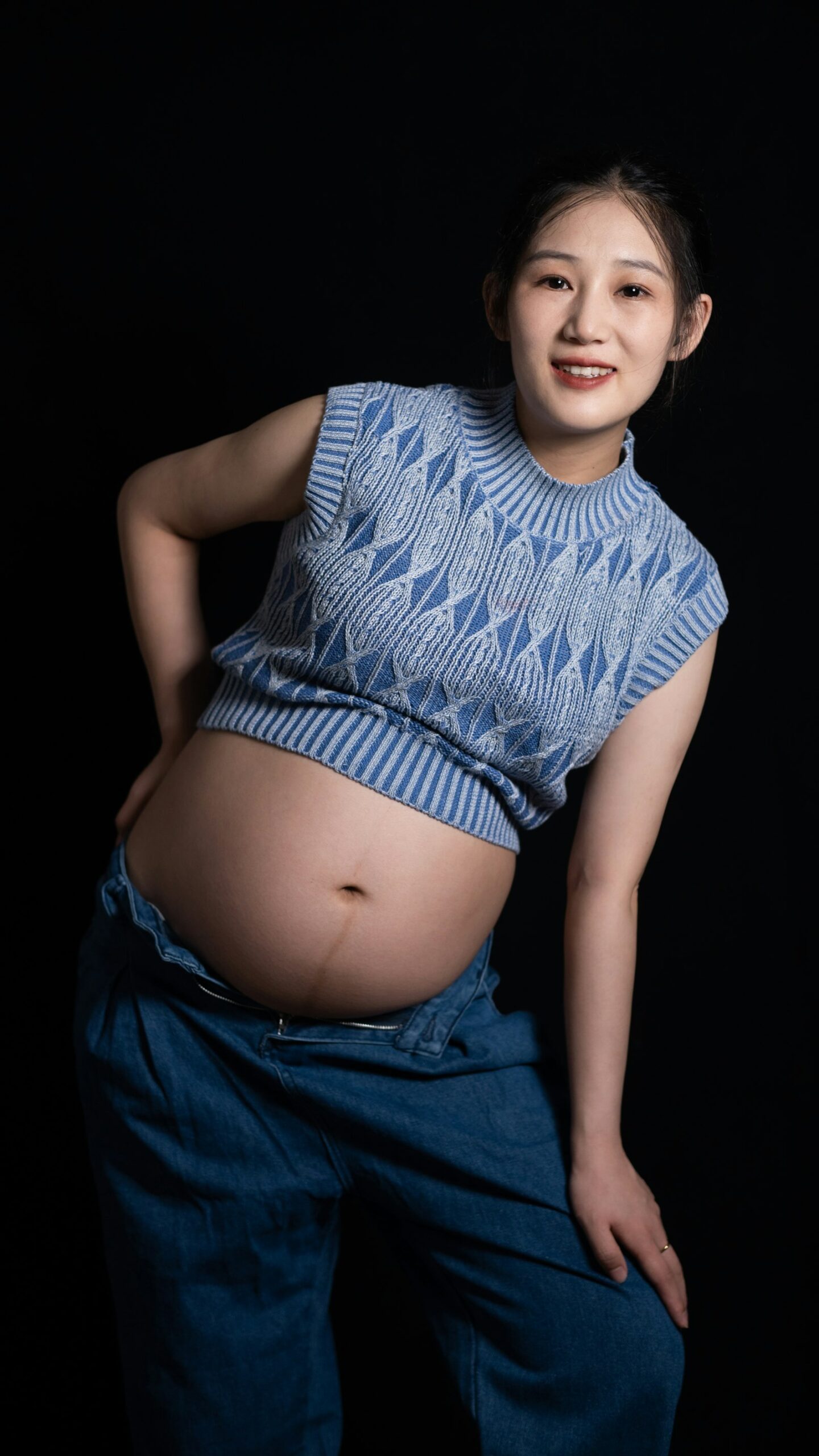
Every labour is different, and so is every mum’s approach to pain. Some women want an epidural as soon as possible; others hope to manage with breathing and movement. Most hospitals in Singapore offer a range of options, and you can change your mind as labour progresses.
This guide explains the main types of labour pain relief available in Singapore, how they work, their benefits and downsides, and how to plan your preferences with your gynae.
Why it helps to plan ahead
Labour is not the time to read up on side effects. Knowing your options in advance helps you make calm decisions, write a realistic birth plan and ask the right questions at your antenatal visits. Many prenatal classes in Singapore cover pain relief, often with an anaesthetist or midwife.
Drug-free methods
These can be used on their own in early labour or together with medical pain relief.
- Breathing and relaxation: slow, steady breathing helps you stay calm and work with contractions.
- Movement and positions: walking, rocking on a birth ball, leaning forward or kneeling can ease pain and help labour progress.
- Massage and counter-pressure: your partner pressing on your lower back during contractions can bring real relief.
- Warm water: a warm shower helps many women in early labour. Some private hospitals offer birthing pools; check with yours.
- Hypnobirthing: a structured method of breathing, visualisation and deep relaxation, taught in classes in Singapore.
- Music and a familiar environment: dim lights and your own playlist can help you relax.
Pros: no side effects for you or baby, and you stay fully mobile. Cons: may not be enough for strong or long labours.
TENS machine
A TENS (transcutaneous electrical nerve stimulation) unit sends small electrical pulses through pads on your lower back. It is thought to block pain signals and encourage your body’s natural painkillers.
- Best used from early labour
- You control the strength with a hand-held button
- Can be rented or bought; check whether your hospital allows it
Pros: drug-free, you stay mobile. Cons: mild effect; cannot be used in water.
Laughing gas (Entonox)
Entonox is a mix of nitrous oxide and oxygen that you breathe through a mouthpiece or mask during contractions. It is widely available in Singapore labour wards.
- Works within seconds and wears off quickly
- You control it yourself, breathing in as a contraction starts
- Can be used at any stage of labour
Pros: quick, does not stay in your system, does not affect baby significantly. Cons: takes the edge off rather than removing pain; can cause light-headedness, nausea or a dry mouth.
Pethidine or other opioid injections
Pethidine is an opioid painkiller given as an injection, usually into the thigh or buttock. Some hospitals use other opioids instead.
- Takes about 20 minutes to work and lasts a few hours
- Helps you relax and rest between contractions
Pros: useful if you want something stronger than gas but not an epidural. Cons: can cause drowsiness, nausea and vomiting. If given close to birth, it can make your baby sleepy and affect early breathing and feeding, so timing matters.
Epidural
An epidural is the most effective form of labour pain relief and is commonly chosen in Singapore. An anaesthetist places a thin tube (catheter) in your lower back, into the space around the nerves of the spinal cord. Local anaesthetic, often with a small amount of opioid, is given through the tube.
What it is like
- You sit up or lie on your side and curl your back.
- The anaesthetist cleans the area and numbs the skin with a small injection.
- A needle guides the catheter into place; the needle is then removed.
- Medicine is given through the catheter. It usually takes 15 to 20 minutes to work fully.
- You will have a drip, continuous monitoring of your baby, and often a urinary catheter.
Many hospitals use patient-controlled epidural pumps, so you can give yourself a top-up dose within safe limits.
Benefits
- Strong, reliable pain relief for most women
- Lets you rest during a long labour
- Can be topped up quickly if you need an emergency caesarean
Possible downsides
- Your legs may feel heavy or numb, so you usually stay in bed
- Blood pressure can drop, which is monitored and treated
- The pushing stage may be longer, and the chance of an assisted delivery with forceps or vacuum is slightly higher
- Itching, shivering or a mild fever can occur
- A small number of women get a severe headache afterwards, which can be treated
- Occasionally the epidural works on one side only and needs adjusting
Who may not be able to have one
An epidural may not be suitable if you have certain bleeding disorders, a low platelet count, are on some blood thinners, have an infection in your back, or have had certain spinal surgery. Your anaesthetist will check. Some hospitals offer a pre-delivery anaesthesia consultation.
Spinal and combined spinal-epidural
A spinal is a single injection that works within minutes and is commonly used for caesarean sections. A combined spinal-epidural (CSE) gives fast relief from the spinal and longer-lasting relief through the epidural catheter. Your anaesthetist will advise which suits you.
Comparison table
| Option | How strong | Time to work | Can you move around? |
|---|---|---|---|
| Drug-free methods | Mild to moderate | Immediate | Yes |
| TENS | Mild | Minutes | Yes |
| Entonox | Mild to moderate | Seconds | Mostly |
| Pethidine | Moderate | About 20 minutes | Limited (drowsy) |
| Epidural | Strong | 15 to 20 minutes | Usually stay in bed |
Costs and payment
Epidurals and anaesthetist fees are usually charged separately from the delivery package in private hospitals, while public hospitals include them in the bill with subsidies for eligible patients. Ask your hospital for an estimate, and see our guide to hospital maternity packages. Delivery charges, including anaesthesia, can be paid with MediSave within the limits of the MediSave Maternity Package.
Writing your birth plan
- List the options you would like to try first, and what you would like next if needed
- Say whether you would like to be offered pain relief, or would prefer to ask for it
- Note any medical conditions or allergies
- Stay flexible; labour does not always go to plan, and changing your mind is normal
Pack your birth plan in your hospital bag, and discuss it with your gynae well before your due date.
Frequently asked questions
Is it too late for an epidural once I am fully dilated?
It may be, because it takes time to set up and work. Ask early if you think you will want one, and let your midwife know your preference.
Does an epidural harm my baby?
Very little of the medicine reaches your baby. Studies have not shown lasting harm, though your baby will be monitored more closely.
Does an epidural cause long-term back pain?
The site may feel tender for a few days. Long-term back pain is common after pregnancy but has not been shown to be caused by epidurals.
Can I have an epidural for a VBAC?
Usually yes. Discuss it with your doctor, as it can be topped up for a caesarean if needed.
Can I use Entonox and then have an epidural?
Yes. Many women start with drug-free methods or gas and move on to an epidural if they need it.
For more information, see KK Women’s and Children’s Hospital. Our guides to maternity hospitals in Singapore and gynaecologists can help you choose your care team.
This article is for general information and is not a substitute for medical advice.